Adaptation Webquest
  • Home
  • Job 1
    • Assignment Job 1
    • Backround Information
    • Nature Works
    • Structural/ Behavioral
    • Polar Bear
    • Science Book Pages
  • Job 2
    • Assignment Job 2
    • Camouflage Intro.
    • Deceptive Coloration
  • Job 3
    • Assignment Job 3
    • Scholastic Dirtmeister
    • Bird Feet
    • Bird Beeks
  • Research
    • Assignment research
    • Kratt's Creatures
    • Animal Research Links
    • Quick Animal Adaptation Facts
  • Games

Structural/ Behavioral Adaptations
Picture
Picture
A structural adaptation involves some part of an animal's body, such as the size or shape of the teeth, the animal's body covering, or the way the animal moves.  
  • Teeth - since different animals eat different things, they don't all have the same kind of teeth

  • Body coverings - Hair, scales, spines, and feathers grow from the skin.  All of these parts help animals survive in their environments.  
  • Movement - animals find food by moving from place to place
Behavior adaptations include activities that help an animal survive.  Behavior adaptations can be learned or instinctive. (a behavior an animal is born with).
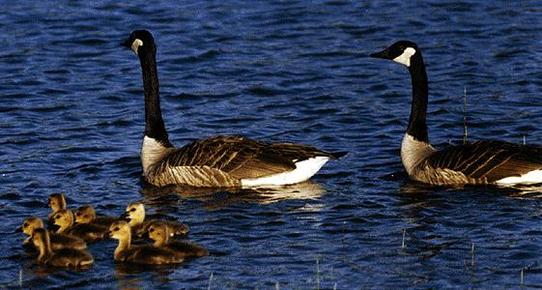
  • Social behavior - some animals live by themselves, while other live in groups. 
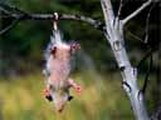
  • Behavior for protection -  An animal's behavior sometimes helps to protect the animal.  For instance the opossum plays dead.  A rabbit freezes when it thinks it has been seen. 

Migration-is the behavioral adaptation that involves an animal or group of animals moving from one region to another and then back again. 

Animals migrate for different reasons.  The reasons are as follows.
  • better climate
  • better food
  • safe place to live
  • safe place to raise young
  • go back to the place they were born.

Picture
Create a free website with Weebly